

Although the lyric “tale as old as time” was written for Beauty and the Beast, it would have been more appropriate for Cinderella, which is not only an older tale, but far more ubiquitous. Scholars estimate that there are somewhere between 300 and 3000 versions of the story, which appears in nearly every culture around the world.
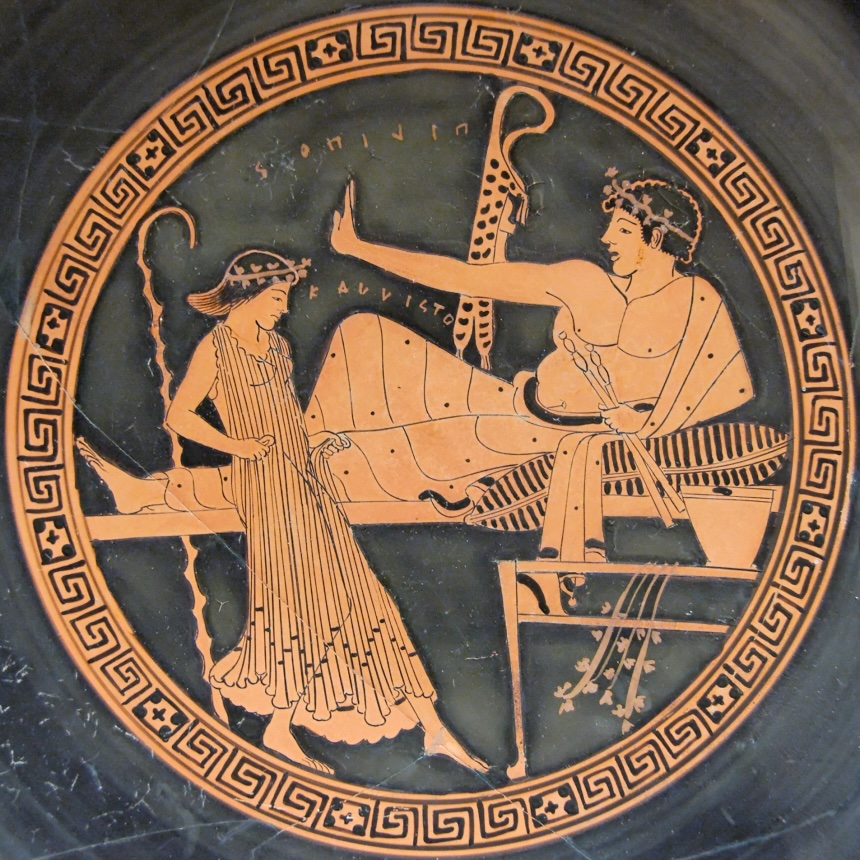
The earliest known variation is believed to be the story of Rhodopis, dating between 7 B.C. and 23 A.D., in which a Greek slave girl is bathing in a river when a bird steals her sandal and drops it into the lap of the king of Egypt. Enthralled by the design of the sandal and the oddity of the event, he seeks out the owner and is so enchanted he marries her.
The Chinese story of “Yeh-Shen” first appeared in the ninth century and bears a striking resemblance to the modern-day tale of Cinderella. Yeh-Shen lives with her cruel stepmother and stepsister. Instead of a fairy godmother, she has a beloved fish that is her mother reincarnated. When her stepmother kills the fish, its bones turn out to be magic. Yeh-Shen’s wish to attend the spring festival is granted and her rags are transformed into a beautiful outfit with golden shoes.
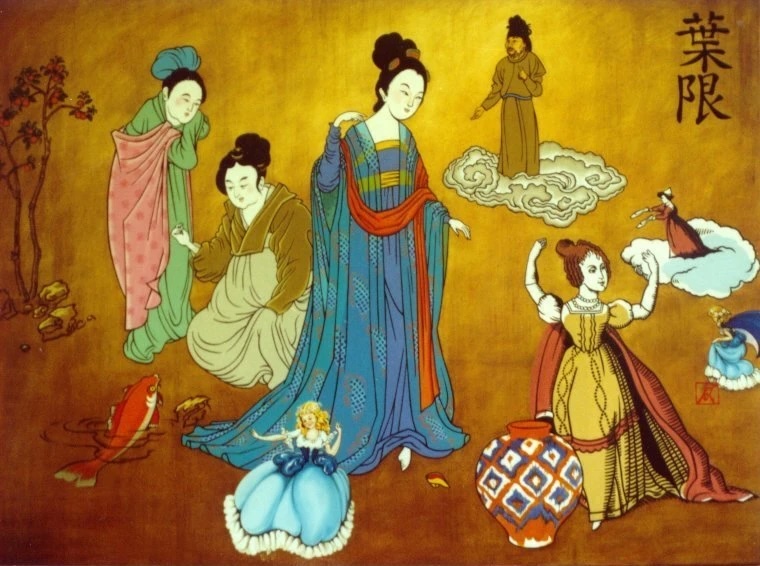
She, too, runs from the festival and loses a shoe, which is found and given to the king, who goes in search of its rightful owner and proposes. Slight variations of this tale occur from Japan to Vietnam to Korea.
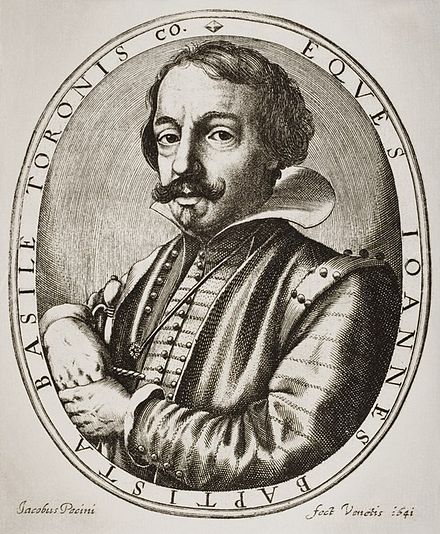
The first recorded European version of the story was written by Italian Gambattista Basile and published in 1634. This story features a heroine named Cenerentola, from the Italian word for “ash, or cinder,” and includes a wicked stepmother and stepsisters, a magical transformation, a lost slipper, and a monarch who goes in search of the owner and marries her. These elements appear in most European variations of the story.
The best-known version is the one written in 1697 by Frenchman Charles Perrault, who added the pumpkin, the fairy godmother, and the glass slippers to the story. Some believe Perrault mistook the French word vair, meaning “fur,” for verre, meaning glass, and thus accidentally created glass slippers out of fur ones. This is the version Disney’s Cinderella is based on.

In the German tale “Aschenputte”, or “Ash Girl”, there is no fairy godmother; instead, Ash Girl plants a tree on her mother’s grave and a white dove appears to help her. In typical grim fashion, the Grimm brothers retelling includes birds pecking out the eyes of the evil stepsisters.
The British story called Tattercoats deviates from European versions of the tale in that the heroine lives with her cruel grandfather, who resents her because his beloved daughter died giving birth to her; and the prince, in disguise, meets her before the ball and falls in love with her kind and generous nature, despite her tattered clothes. At the ball, he reveals that he is the prince and proposes, and only then are her rags transformed to a beautiful gown.
In the Americas, the story does not contain a monarch, as none existed there, although Native American versions include a chieftain. The Algonquin tale “The Rough-Face Girl,” features a young woman whose sisters force her to tend the village fire, which burns her face and hair. Her pure and honest heart allows her to see the magical chieftain that her cruel sisters cannot see, and he leads her to a lake where her beauty is restored, and the chieftain marries her.
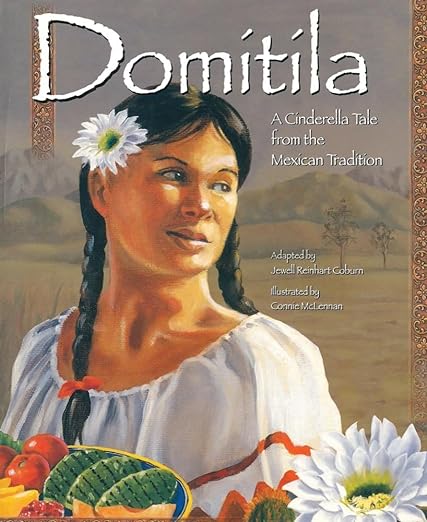
In the Mexican story of Domatila, it is her mother’s spirit and the skills she learned from her that help Domatila overcome hardship. Her cooking is what wins the heart of the rich young man she marries, and only after he falls in love does he learn to appreciate her goodness and kind nature.
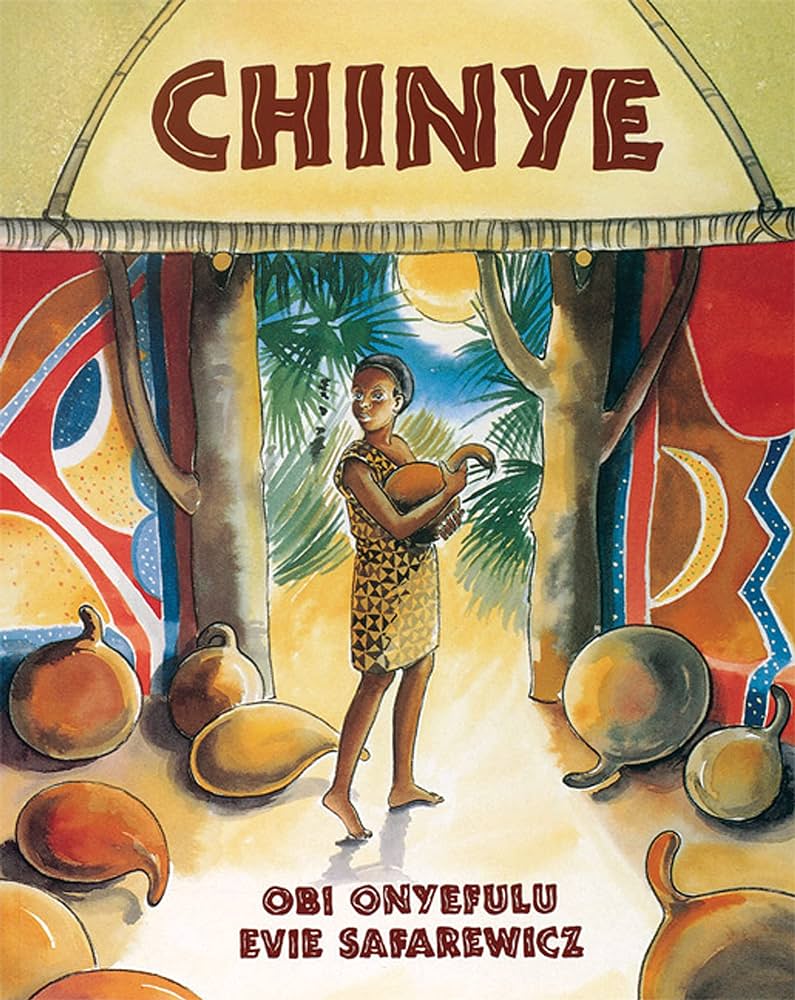
Africa is the only part of the world in which the heroine does not marry to escape her circumstances. In African variations of the tale, a young woman is treated cruelly by her stepmother or sisters, and wild animals help protect her. An old woman directs her to a hut and tells her to choose the smallest gourd within, which contains great treasures. When her greedy sisters find the hut, however, they pick the biggest gourd, which unleashes a terrible storm that destroys their village. The sisters flee in shame, and the heroine uses her treasure to restore the village.
The many versions of Cinderella offer a fascinating contrast in environmental influences and cultural values around the world, but the common elements of the stories reveal universal truths about humanity: the fear of abandonment and cruelty, the desire to rise above poverty and hardship, the longing for love and acceptance, and the reality that everyone needs a little help along the way.
Writer Laura Packer says we need fairy tales because they “teach us how to survive in this wily and wicked world. . . . They remind us what is important.” No matter which version of the Cinderella story you read across the globe, they all have the same moral: honesty, kindness, and generosity are the most important qualities, the ones that reflect true beauty and, in an ideal world, are rewarded in the end.
– Victoria Fortune
2024 Presenting Sponsor

2024 Stage Sponsor: